

The boring part was the product.
Morning.
The market is still happy to fund software, but it has started asking for the user manual before it wires the money.
That is a small shift until you notice how many products were built on the idea that controls could be added after the demo.
Turns out the boring part was the product.
Menu of the Day
Markets: Selective risk is still the mood
The Article: Software ships with a policy
Shot: Capital likes a clean wedge
Startup Lesson: Audit trail before scale
Doggy Bag: Receipts, not vibes
What to Watch: Who owns the approvals
Market Pulse
Selective Is How Adults Buy Equities
Quick note: latest session before drafting.
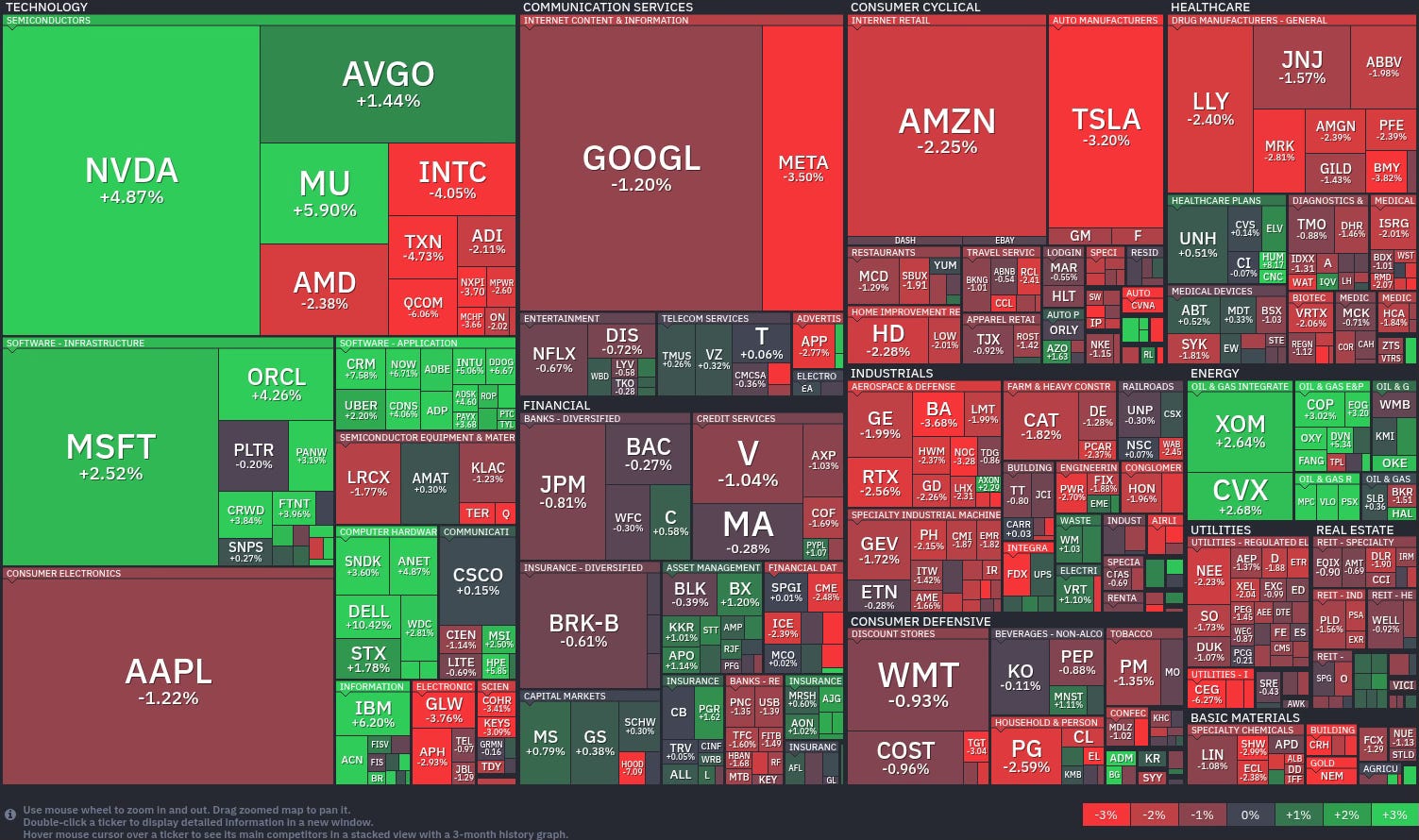
Markets are not exactly screaming panic. SPY is around 735.75, up about 0.3 percent. QQQ is around 715.07, up about 0.2 percent. TLT is around 87.14, basically flat. XLE is around 53.45, down about 1.9 percent.
That is not a fear tape. It is a tape that still prefers growth, but is less willing to pay for growth that cannot explain itself.
Energy is the soft spot. Rates are not the main event. Tech is no longer getting a free pass just because the slide says AI.
The mood is selective.
Fine.
Selective is how adults buy equities.
AI — Europe
Software Ships With a Policy
Quick reminder: the EU AI Act is already turning software design into a legal decision tree.
Officially, it separates providers from deployers. It asks companies to tell users when they are interacting with AI, keep records where required, and respect the risk class of the system.
That sounds like paperwork until a buyer with a legal team asks to see your controls.
And then it sounds like revenue.
The setup is simple. A startup can still wrap a model, fine-tune it, or expose it through a workflow layer. But the moment that software can act in the real world, the question is no longer just what it does.
It becomes:
Who can use it?
What gets logged?
How can the action be reversed?
Who is on the hook if the output goes sideways?
That is a product choice, not an appendix.
Controls are not overhead. They are the product.
In practice, the better AI products are starting to look less like polished chat boxes and more like systems with approval gates, audit trails, and fallback paths.
The feature still matters. Of course it does.
But the controls close the sale.
Procurement, legal, and compliance do not buy intelligence in the abstract. They buy something they can defend after the first bad output.
Useful, if slightly less glamorous.
The New Enterprise Demo Has a Permission Model
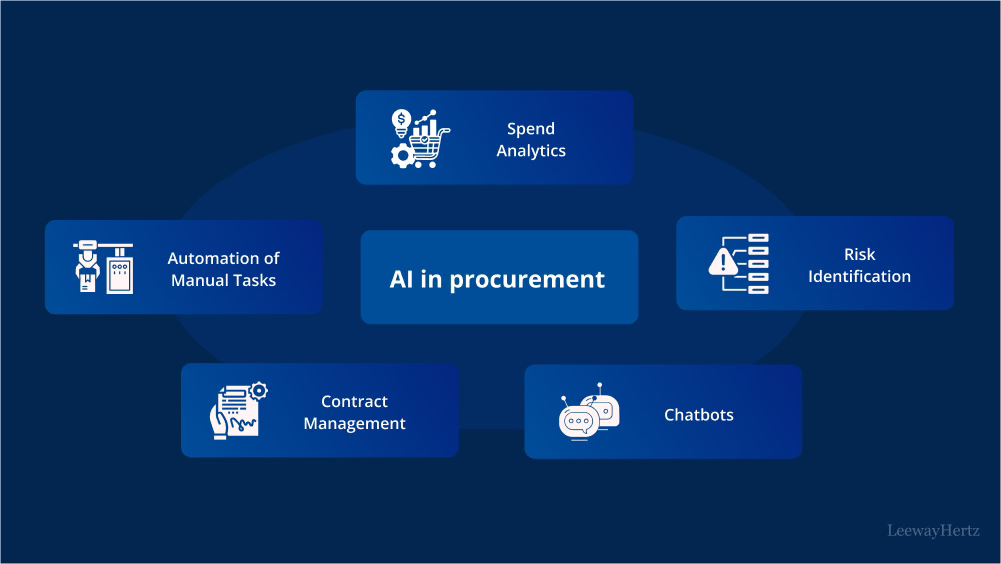
That is also why procurement AI makes sense in Europe when it sits close to spend.
Compri just raised a €3.2 million seed round, and the logic is obvious: if the software helps a company spend less, buy faster, or document decisions better, the control layer is not overhead.
It is the reason the budget appears at all.
The market likes a good demo.
It pays for a defensible workflow.
Public Markets Are the Strictest Enterprise Customer
The same pattern shows up in public markets.
SoFi’s first-quarter release showed record net revenue and a tenth straight profitable quarter. That is not nothing.
But the lesson is not simply that profitable companies are good.
The lesson is that scale only matters when the underlying risk, funding, and decision mechanics are legible.
Public investors are the strictest enterprise customer on earth.
They do not just ask whether the machine works.
They ask whether the machine survives bad weather.
Shot
Four Small Signals Hiding in Plain Sight
SoFi Still Has to Explain Itself
SoFi’s Q1 2026 release showed record net revenue, record member growth, and a tenth consecutive quarter of GAAP profitability.
None of that is nothing.
The point is that the market still cares about the shape of the business, not just the headline. Growth is only reassuring when the mechanics underneath it stay readable.
Compri Found the Right Room
Compri’s €3.2 million seed round is a neat reminder that procurement AI does not need to sound magical to work.
It needs to sit near savings, approvals, and a buyer who can actually measure the before and after.
That is where enterprise software gets paid without much poetry.
The Founder Funnel Keeps Widening
16VC’s summer fellowship says it has pulled founders from 46 countries.
That is a useful signal even if the capital map still does not look that global.
Talent keeps getting broader.
The money is still more selective.
That tension is not going away.
Quantum Is Still Attracting Balance Sheets
IBM’s June 2 commitment of more than $10 billion to quantum computing is a reminder that the long shots are still getting strategic capital when the potential payoff is big enough.
The work is slow.
The uncertainty is high.
The check sizes are still enormous.
That combination usually means somebody thinks the infrastructure eventually matters.

Startup Lesson
If Legal Has to Decode It, the Product Is Not Finished
If the buyer needs to ask legal what your product does, the product is not finished.
Write the audit trail, rollback path, and permission model before the launch hype.
That is not compliance theater.
It is how software gets purchased when the stakes are real.
The next category leaders will not just be the ones with the best model or the loudest growth curve.
They will be the ones who can say, with a straight face:
Who can act.
Who gets logged.
Who can undo it.
Who gets blamed.
That is less sexy than the demo.
It is also where the budget lives.
Doggy Bag
Receipts, Not Vibes
Fun fact: The EU AI Act cares less about your pitch than about whether the system can be traced after the fact.
The number: €3.2 million. That is the seed round Compri just raised for procurement AI.
The quote: “Controls are not overhead. They are the product.”
Reco: If your product can act on money or decisions, write the blame chain before you write the demo script.
And Besides That
16VC says its latest fellowship drew founders from 46 countries. The funnel is global; the money still is not.
Procurement AI keeps showing up in Europe because it sits near measurable savings, not abstract inspiration.
IBM’s $10 billion quantum commitment says strategic patience is still available when the platform risk is big enough.
SoFi is still a clean example of why profitable is not the same as unambiguous.
Public investors are getting choosier about revenue quality, not just revenue size.
What to Watch
Enterprise AI deals: Whether products start winning on auditability and rollback, not just model quality.
Public markets: Whether investors keep grading growth businesses on funding quality and control points.
European startups: Whether more teams sell a local wedge first and a global story second.
Ugly Baby Newsletter
Cool tech stuff. Catastrophic venture endeavors. Occasional evidence of adult supervision.
Subscribe if you enjoy software, markets, and watching people discover governance in real time.